The phrase “AI will replace project managers” has been repeated so often that it has started to feel inevitable. Slide decks quietly assume it. Vendors hint at it. Teams joke about it in stand-ups, half nervously. But the real shift happening in delivery teams is both more subtle and more interesting than replacement.
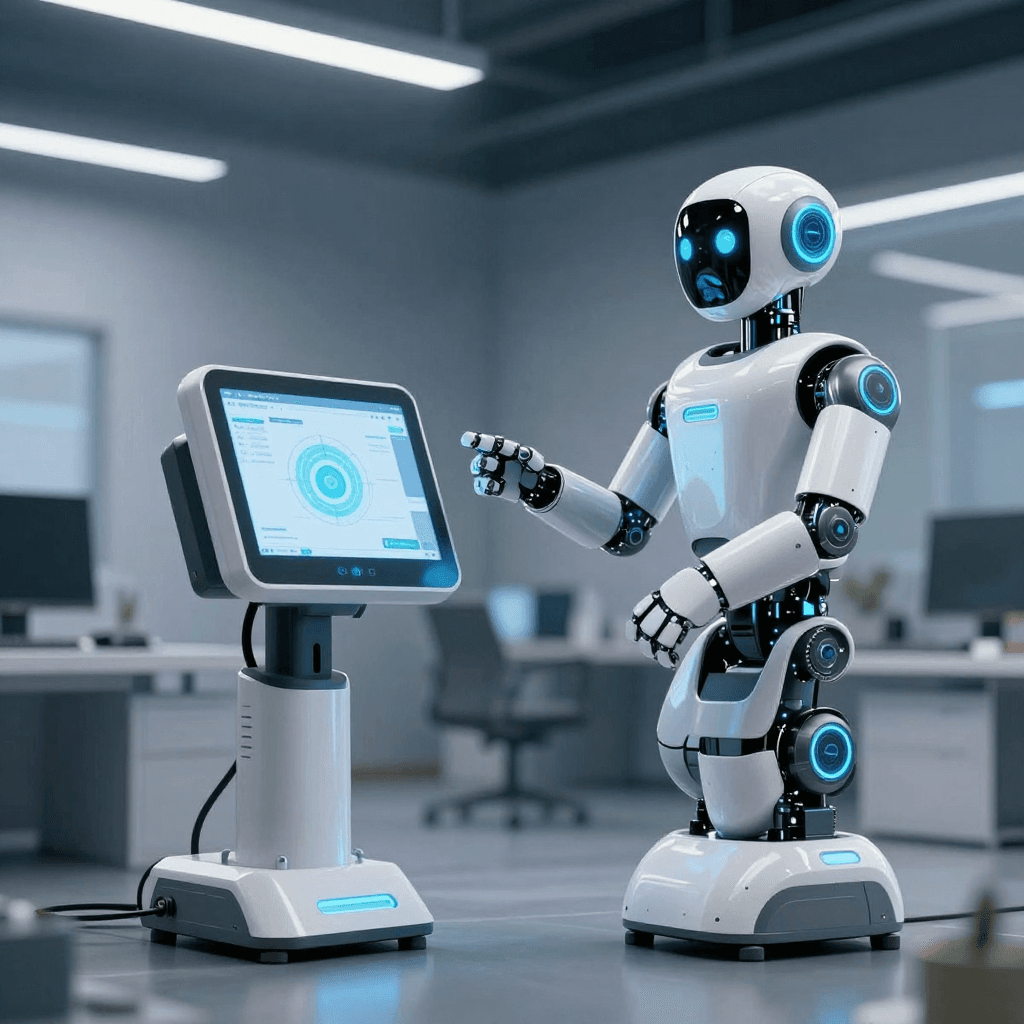
What is disappearing is not the project manager. What is disappearing is a very specific version of the role: the one built around coordination theatre, status narration, and manual control of information that machines can now process faster and more accurately.
For decades, project management rewarded people who could hold complexity in their heads. Plans, dependencies, risks, stakeholder expectations and delivery constraints were tracked through experience and intuition, backed by spreadsheets and ritual. That skillset mattered because systems could not do it well. That constraint has now gone.
AI does not struggle with pattern recognition across thousands of signals. It does not forget dependencies. It does not tire of updating forecasts or reconciling delivery data. If the core value of a role is to manually maintain awareness, automation will inevitably take over large parts of it.
Yet something else has become more valuable at the same time.
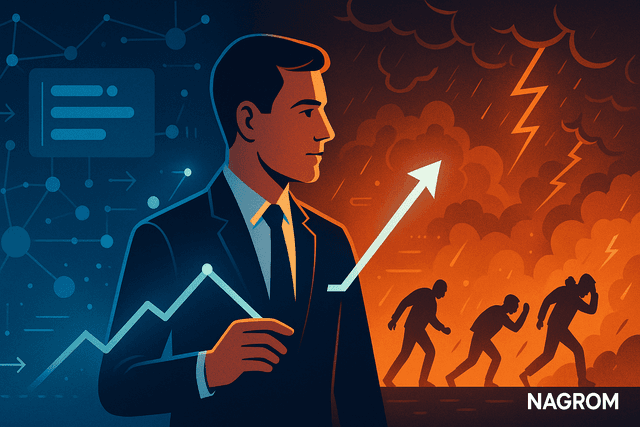
As delivery systems become more intelligent, they surface more information than teams can comfortably interpret. Signals replace updates. Probabilities replace certainties. The human challenge shifts from tracking work to deciding what matters, when to intervene, and how to steer through ambiguity when the data points in multiple directions at once.
This is where the delivery lead emerges.
An AI-augmented delivery lead is not measured by how well they run ceremonies or produce reports. They are measured by how effectively they turn insight into judgement. They ask better questions of the system, and of the organisation using it. They understand that a forecast is not a promise and that confidence intervals matter more than dates. They spend less time explaining what has happened and more time shaping what should happen next.
Crucially, they also become translators. AI systems operate in probabilities, trends and correlations. Organisations operate in trust, accountability and consequence. Someone has to bridge that gap. Someone has to decide when to override the machine, when to trust it, and how to explain its outputs to humans who will ultimately live with the outcomes.
This is why the narrative of replacement misses the point. Delivery leadership is moving up the value chain. It is becoming less procedural and more strategic, less administrative and more ethical. Questions of governance, transparency and responsibility move to the foreground as soon as AI becomes embedded in decision-making.
At Nagrom, much of the thinking around modern delivery starts from this premise: that intelligence in systems increases the importance of intelligence in leadership. Tools can inform, but they cannot own accountability. They can recommend, but they cannot understand organisational context in the way humans do.
The project manager is not dead. But the job title no longer captures the role. What survives is a new form of delivery leadership, one that works alongside intelligent systems rather than competing with them. And those who adapt early will find their influence expanding, not shrinking, in the years ahead.